
Reduces winter heat loss
Uninsulated brick veneer walls lose a large amount of heat through the cavity. Insulation traps still air in the gap, slowing heat transfer and keeping the home warmer in winter.
Thomastown
Cavity wall insulation installed in Thomastown brick veneer homes to stop draughts and cut heating costs. Expert Insulation Melbourne works across the suburb.
Share your details and Expert Insulation Melbourne will contact you about Cavity Wall Insulation in Thomastown.
Cavity wall insulation fills the gap between the inner and outer leaves of brick veneer walls with an insulating material. In Thomastown, many postwar and 1960s to 1990s brick veneer homes have empty cavities that let cold air in during winter and allow heat to escape. Filling these cavities improves thermal resistance and reduces energy bills without altering the home’s exterior.
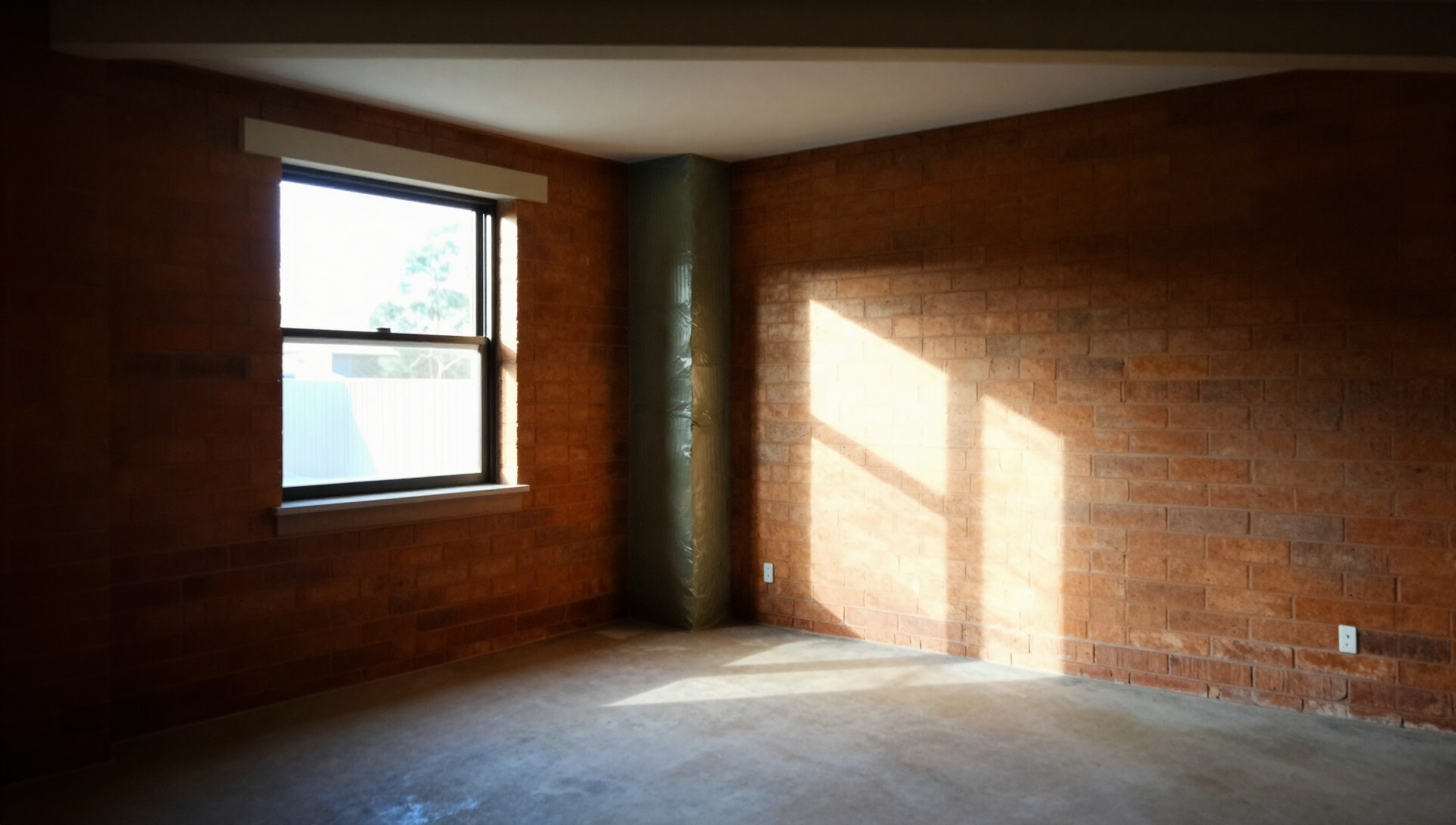
Thomastown’s cold winters and hot summers make cavity wall insulation a practical upgrade for brick veneer homes. It addresses the main causes of discomfort and high energy use in this suburb.
Uninsulated brick veneer walls lose a large amount of heat through the cavity. Insulation traps still air in the gap, slowing heat transfer and keeping the home warmer in winter.
The same cavity that lets heat out in winter lets hot air in during summer. Insulation reflects and absorbs radiant heat, reducing the load on air conditioning.
Gaps in brickwork and around windows allow cold draughts to enter. Cavity insulation blocks these air leaks, improving comfort and reducing dust and pollen entry.
The process does not require removing internal linings or external cladding. Small access holes are the only visible change, and these are sealed to blend in.
Insulation makes heating and cooling systems more effective by maintaining indoor temperatures. This can extend the life of HVAC equipment and lower running costs.
Filling the cavity with dense material also dampens external noise, which is useful for homes near Thomastown’s main roads or industrial areas.
The installation is quick and causes minimal disruption. Most Thomastown homes are completed in a day, depending on wall area and access.
A technician checks the wall type, cavity width and moisture levels. Brick veneer is usually suitable, while some double brick or weatherboard walls may not be. If old insulation is present and might contain asbestos, work stops until a qualified assessor inspects it.
Small holes are drilled in the mortar joints at regular intervals, typically every 600 to 800 mm. These provide entry points for the insulation material without damaging the bricks.
Loose-fill or foam insulation is blown into the cavity under controlled pressure to ensure even distribution. The material fills the gap completely, avoiding voids that would reduce performance.
The access holes are plugged with colour-matched mortar to restore the wall’s appearance. Any excess material is cleaned from the exterior, leaving no visible signs of the work.
Thomastown has a mix of postwar brick homes and newer brick veneer builds, many with uninsulated wall cavities. The suburb’s exposure to cold southerly winds in winter and hot northerlies in summer means these homes benefit from cavity wall insulation to stabilise indoor temperatures and reduce energy use.
Cavity wall insulation for Thomastown brick veneer homes to cut heat loss and improve comfort.
Homeowners in Thomastown often ask about suitability, process and results. Here are the key details.
Cavity wall insulation in Thomastown is a non-invasive way to improve the thermal performance of brick veneer homes. The process involves injecting insulating material into the wall cavity through small holes, which are then sealed. This method is particularly effective in Thomastown, where many homes were built with empty cavities that contribute to heat loss in winter and heat gain in summer.
Brick veneer walls consist of an outer layer of bricks and an inner layer of timber or plasterboard, with a gap between them. Without insulation, this gap allows air to circulate freely, reducing the home’s ability to retain heat. Cavity wall insulation fills this gap, creating a barrier that slows heat transfer. For Thomastown homes, this means lower heating bills in winter and less reliance on air conditioning in summer.
The cost of cavity wall insulation depends on the wall area, access and the chosen material. Most Thomastown homes see a return on investment within a few years through energy savings. A pre-installation inspection ensures the wall type is suitable and that there are no moisture issues that could affect performance.
Expert Insulation Melbourne installs cavity wall insulation in Thomastown. Call 0399695249 or email info@expertinsulationmelbourne. com. au to discuss your home.